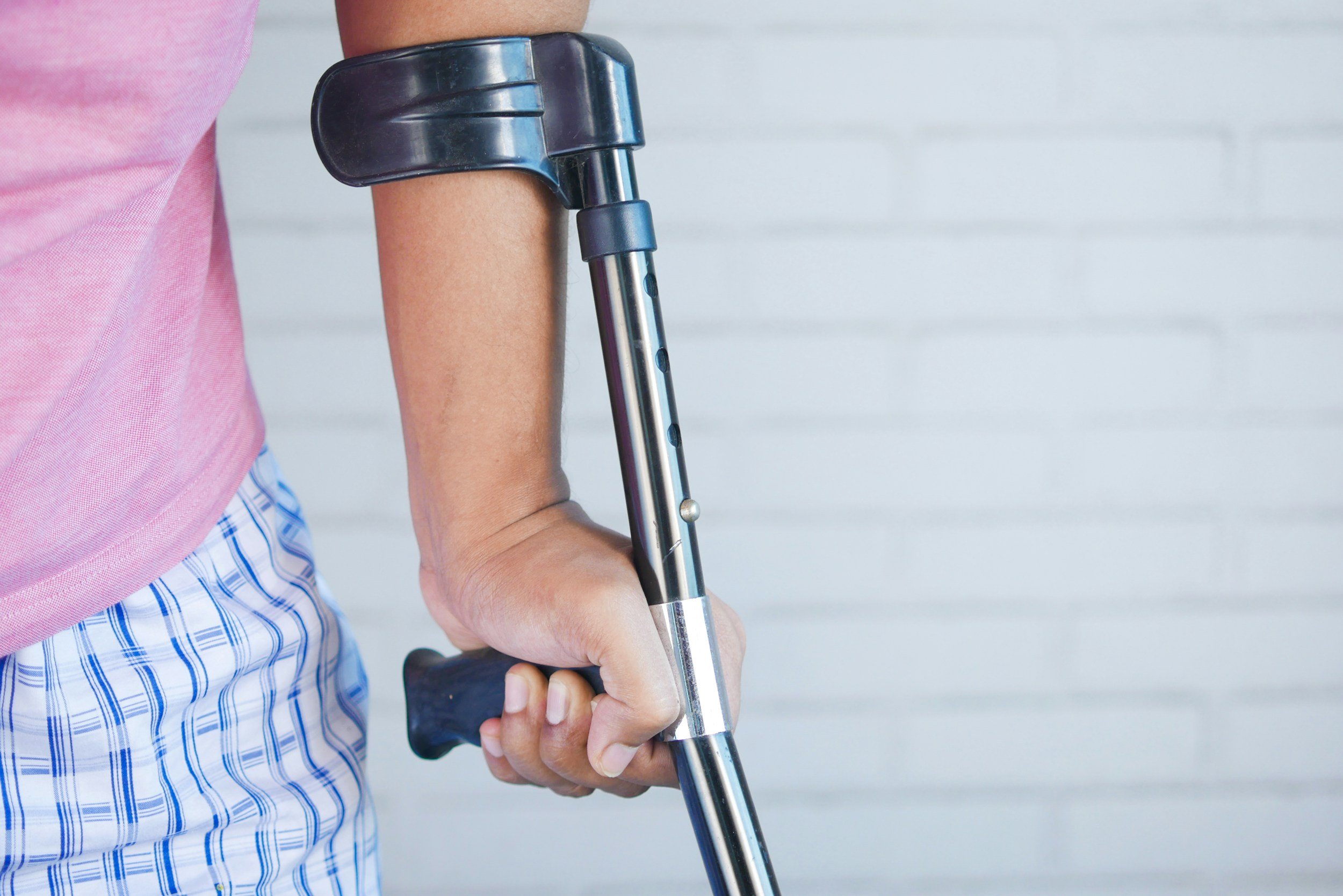
Evidence-based care at Vantage Point
Post-Surgery Rehabilitation in Bondi Junction
Structured rehabilitation before and after surgery, matched to your surgeon's protocol and progressed by measured strength rather than the calendar.
- APA Musculoskeletal Physiotherapists
- In-house VALD strength testing
- Rehabilitation before and after surgery
Surgeries We Rehabilitate
Every joint, from the jaw to the foot. If you are unsure whether we see your operation, call and ask.
Knee
ACL reconstruction, knee replacement, meniscus repair, kneecap stabilisation and cartilage surgery.
Knee physiotherapy, including our ACL programShoulder
Rotator cuff repair, stabilisation, shoulder replacement and fracture fixation.
Shoulder physiotherapyHip
Hip replacement, hip arthroscopy and fracture fixation.
Hip physiotherapySpine
Discectomy, decompression, fusion and disc replacement in the neck or lower back.
Ankle
Ligament reconstruction, Achilles repair and fracture fixation.
Ankle physiotherapyFoot
Bunion correction, tendon repair and fracture fixation.
Foot physiotherapyWrist and hand
Tendon repair, fracture fixation and carpal tunnel release.
Wrist and hand physiotherapyJaw
Orthognathic (jaw) surgery and TMJ surgery, working alongside your oral and maxillofacial surgeon.
TMJ physiotherapyBefore surgery
Prehab to build strength, movement and confidence before your operation.
See your rehab stagesA collaborative approach
Your Surgeon Sets the Protocol. We Build the Plan Around It.
Whichever surgeon you choose, we follow their post-operative protocol, including any limits on movement, weight-bearing or bracing, and keep them updated as you progress.
Recovery often involves more than one practitioner. We stay in contact with your GP and anyone else involved in your care, so everyone works from the same picture.
What we share
Clear communication at every stage
- A summary of your first assessment and plan
- Progress updates at key milestones, with your test results
- Prompt contact if anything about your recovery concerns us
- Coordination with your GP, case manager or other practitioners
Your rehabilitation
Five Stages, Each With a Clear Goal
Every consultation is 45 minutes. You move to the next stage when you meet its goal, not because a set number of weeks has passed, and timeframes vary with your surgery and your goals.
- 1
Before surgery
Prehab
Where time allows, we build strength, range of movement and confidence, and walk you through what to expect after your operation.
Goal: The strongest possible starting point
- 2
After surgery
Protect
Settle swelling and pain, protect the repair within your surgeon's limits, and get confident with crutches, a sling or a brace.
Goal: A calm, protected surgical site
- 3
Restore
Regain range of movement and switch muscles back on, working towards normal walking, arm use or jaw opening.
Goal: Comfortable everyday movement
- 4
Strengthen
Progressive loading, with VALD dynamometry to measure strength against your other side and track it over time.
Goal: Strength targets met
- 5
Return
Rebuild the speed, power and endurance your work, sport or daily life needs, with return decisions based on test results.
Goal: Back to what matters to you
Objective testing
Progress You Can See in Numbers
How strong a muscle feels and how strong it is are often different, especially after surgery. Testing tells us when you are ready to progress.
In the clinic
VALD dynamometry
- Measures the strength of individual muscle groups, such as the quadriceps, hamstrings, hip and shoulder
- Compares your operated side with your other side
- Repeated at each stage, so you and your surgeon can see change over time
Arranged offsite
The rest of the VALD suite
- Force plate testing for jumping, landing and balance
- Booked when your stage and goals call for it, usually before a return to sport
- Results come back into your plan and your updates to your surgeon
The research
Why We Use Milestones, Not Timeframes
ACL reconstruction
Time and strength both lowered reinjury
Each month that return to sport was delayed, up to 9 months, reduced the knee reinjury rate by 51%, and more even quadriceps strength before returning also reduced it (Grindem et al., 2016).
Return to sport
Meeting the milestones mattered more than the date
Professional athletes who went back to training after ACL reconstruction without passing all six discharge tests, covering strength, hopping and agility, were about four times more likely to rupture their graft (Kyritsis et al., 2016).
Before surgery
Prehab was linked to better outcomes
Patients who completed extended rehabilitation before ACL reconstruction reported better knee function 2 years later, and more returned to their pre-injury sport (72% compared with 63%) (Failla et al., 2016).
Spinal surgery
Exercise helped after disc surgery
Exercise programs starting 4 to 6 weeks after lumbar disc surgery reduced pain and disability in the short term more than no treatment, and did not increase the rate of repeat surgery. The evidence is low in quality, so programs are tailored and progressed carefully (Oosterhuis et al., 2014).
Jaw surgery
Promising, still early
A review of five trials after orthognathic (jaw) surgery found the evidence for physiotherapy improving jaw opening, pain and swelling is still limited (Navarro-Fernández et al., 2023). That is why we measure your jaw opening and progress you against your own results.
Time since surgery tells us when tissue has had a chance to heal. It does not tell us whether you are ready. That is why each stage of your rehabilitation ends with a milestone you meet and we measure, not a date on the calendar.
Fees and funding
Consultations and Rebates
Every consultation is 45 minutes. Recovery after surgery varies in length, and so does the number of consultations you need, so we discuss your plan with you at your first visit.
Book an AppointmentWays to claim
- Private health: rebates claimed on the spot with HICAPS
- Medicare: rebates with a GP referral
- Workers compensation: fees set by SIRA, with approvals coordinated with your case manager
- CTP: fees set by SIRA
Common Questions
When should I start physiotherapy after surgery?
It depends on your operation and your surgeon's protocol. Many people start within the first week or two. Bring your discharge instructions or protocol, and if the timing is unclear we contact your surgeon's rooms before we begin.
Do you communicate with my surgeon?
Yes. We send a summary after your first visit and updates at key milestones, and we contact your surgeon promptly if anything concerns us. We also keep your GP and other practitioners informed.
What should I bring to my first post-op appointment?
Your discharge summary or surgeon's protocol, any operation report or scans, your brace, sling or crutches, a list of your medications, and your referral or claim number if you are using Medicare, workers compensation or CTP.
How long will my rehabilitation take?
It varies with the surgery and your goals. After ACL reconstruction, return to sport usually takes at least 9 months, which is when research shows reinjury risk drops (Grindem et al., 2016). We give you an estimate at your first visit and review it as you meet each stage's goal.
Can I start rehabilitation before my surgery?
Yes, and where time allows we recommend it. Prehab builds strength and movement before your operation and prepares you for the first weeks afterwards.
Can I claim my physio through private health?
Yes. Rebates are claimed on the spot with HICAPS. Medicare rebates are available with a GP referral, and workers compensation and CTP claims are accepted once approved.
What research is this page based on?
The studies referenced on this page are listed below.
- Failla MJ, Logerstedt DS, Grindem H, Axe MJ, Risberg MA, Engebretsen L, Huston LJ, Spindler KP, Snyder-Mackler L. Does extended preoperative rehabilitation influence outcomes 2 years after ACL reconstruction? A comparative effectiveness study between the MOON and Delaware-Oslo ACL cohorts. Am J Sports Med. 2016;44(10):2608–2614.
- Grindem H, Snyder-Mackler L, Moksnes H, Engebretsen L, Risberg MA. Simple decision rules can reduce reinjury risk by 84% after ACL reconstruction: the Delaware-Oslo ACL cohort study. Br J Sports Med. 2016;50(13):804–808.
- Kyritsis P, Bahr R, Landreau P, Miladi R, Witvrouw E. Likelihood of ACL graft rupture: not meeting six clinical discharge criteria before return to sport is associated with a four times greater risk of rupture. Br J Sports Med. 2016;50(15):946–951.
- Navarro-Fernández G, Gil-Martínez A, Diaz-Saez MC, Elizagaray-Garcia I, Pili-Mayayo PQ, Ocampo-Vargas JE, Beltran-Alacreu H. Effectiveness of physical therapy in orthognathic surgery patients: a systematic review of randomized controlled trials. J Funct Morphol Kinesiol. 2023;8(1):17.
- Oosterhuis T, Costa LOP, Maher CG, de Vet HCW, van Tulder MW, Ostelo RWJG. Rehabilitation after lumbar disc surgery. Cochrane Database Syst Rev. 2014;(3):CD003007.
- Clinically reviewed by David Cohen and Zachary Ehrenfeld, APA Titled Musculoskeletal Physiotherapists and Directors of Vantage Point Physiotherapy. Last reviewed October 2026.